The Rise of Recovery Centres in Melbourne
Over the past few years, Melbourne has seen a growing wave of wellness- and recovery-focused centres. These aren’t your traditional gyms, instead, they offer a variety of recovery modalities: ice baths, infrared saunas, cold plunges, compression therapy, breathwork, float tanks, and more. Places like My Recovery Lounge and P3 Recovery have opened their doors (and expanded) to meet rising demand.
What’s driving this boom? A few things, fitness saturation, increasing awareness of holistic health, and a shift from “train hard, rest later” to “train hard, recover smart.” Experts note that gyms and high-intensity training alone can only get you so far, neglect recovery, and performance, health, and even mood may suffer.
Moreover, many people now view wellness as more than “exercise or diet.” It’s about balance, body, mind, and lifestyle. Recovery centres provide that balance. As one wellness-industry analysis puts it: these spaces are the new “third place” part spa, part gym, part community lounge.
What Happens in a Recovery Centre and Why It Helps
Here are some of the common therapies offered in recovery centres, and the benefits associated with them.
Infrared Sauna / Heat Therapy
Deep, penetrating heat helps increase blood circulation, delivering oxygen and nutrients to tissues and supporting healing.
It can ease muscle and joint pain, reduce inflammation, and relieve stiffness. Which is useful for people recovering from workouts or chronic tension.
Heat sessions often trigger relaxation, stress relief, and improved mood, thanks to release of “feel-good” endorphins.
Some facilities even link infrared sauna therapy to improved cardiovascular health, better skin tone, enhanced immunity, and support for metabolic health.
Cold Therapy / Ice Baths / Cold Plunges / Cryotherapy
Cold exposure can help reduce inflammation and swelling, which is especially helpful after intense workouts or physical strain.
As blood vessels constrict in the cold and then re-open afterward, this helps flush metabolic waste from muscles, supporting faster recovery and reducing delayed onset muscle soreness (DOMS).
Cold therapy may also boost mood, stimulate the nervous system in a controlled way, and improve resilience to stress.
Contrast Therapy (Hot + Cold), Compression, Breathwork, Myotherapy, etc.
Many centres combine different therapies for synergistic benefit. For instance, alternating heat therapy with cold plunges, a practice sometimes called “contrast therapy” can help stimulate circulation, accelerate muscle recovery, and refresh both body and mind.
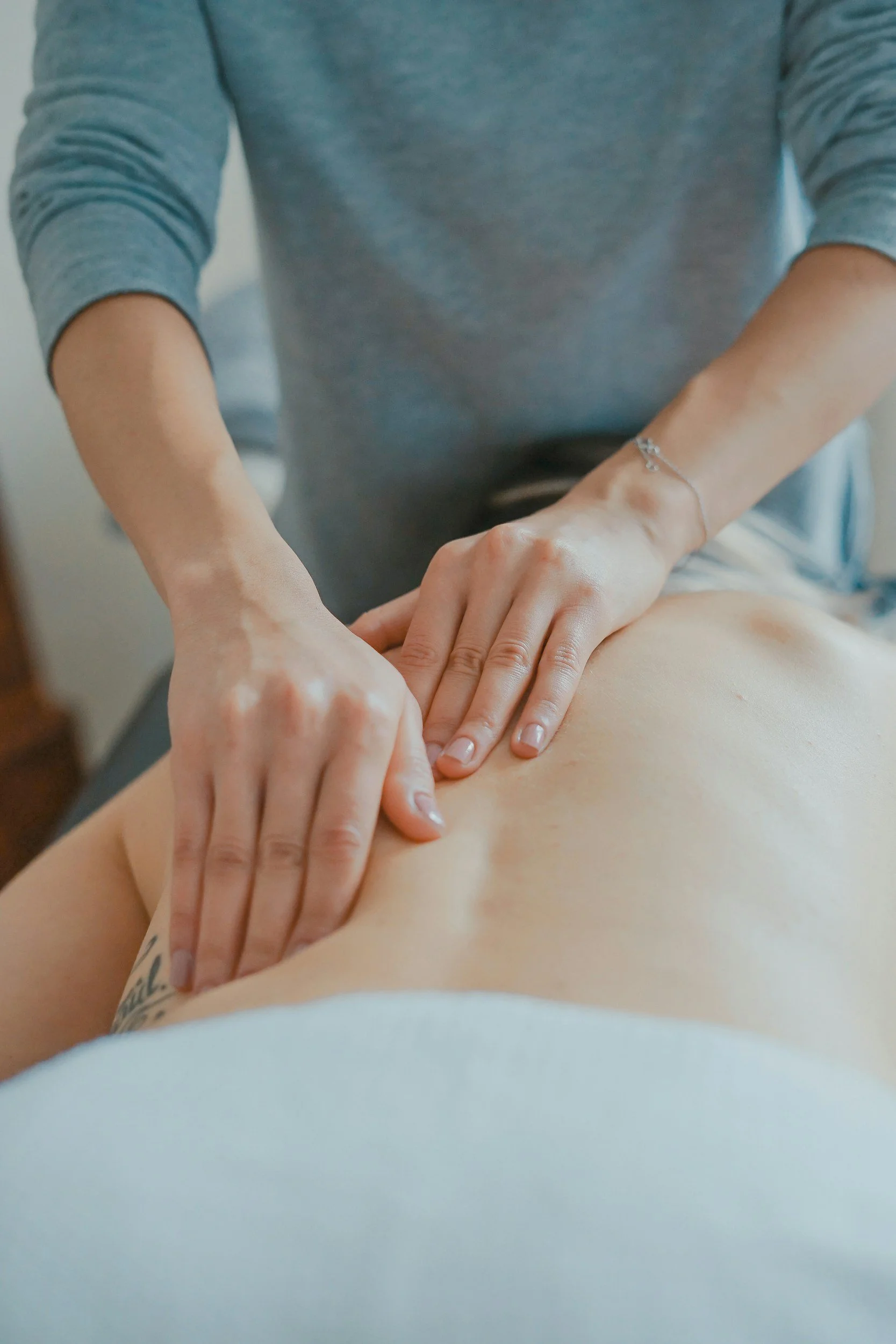
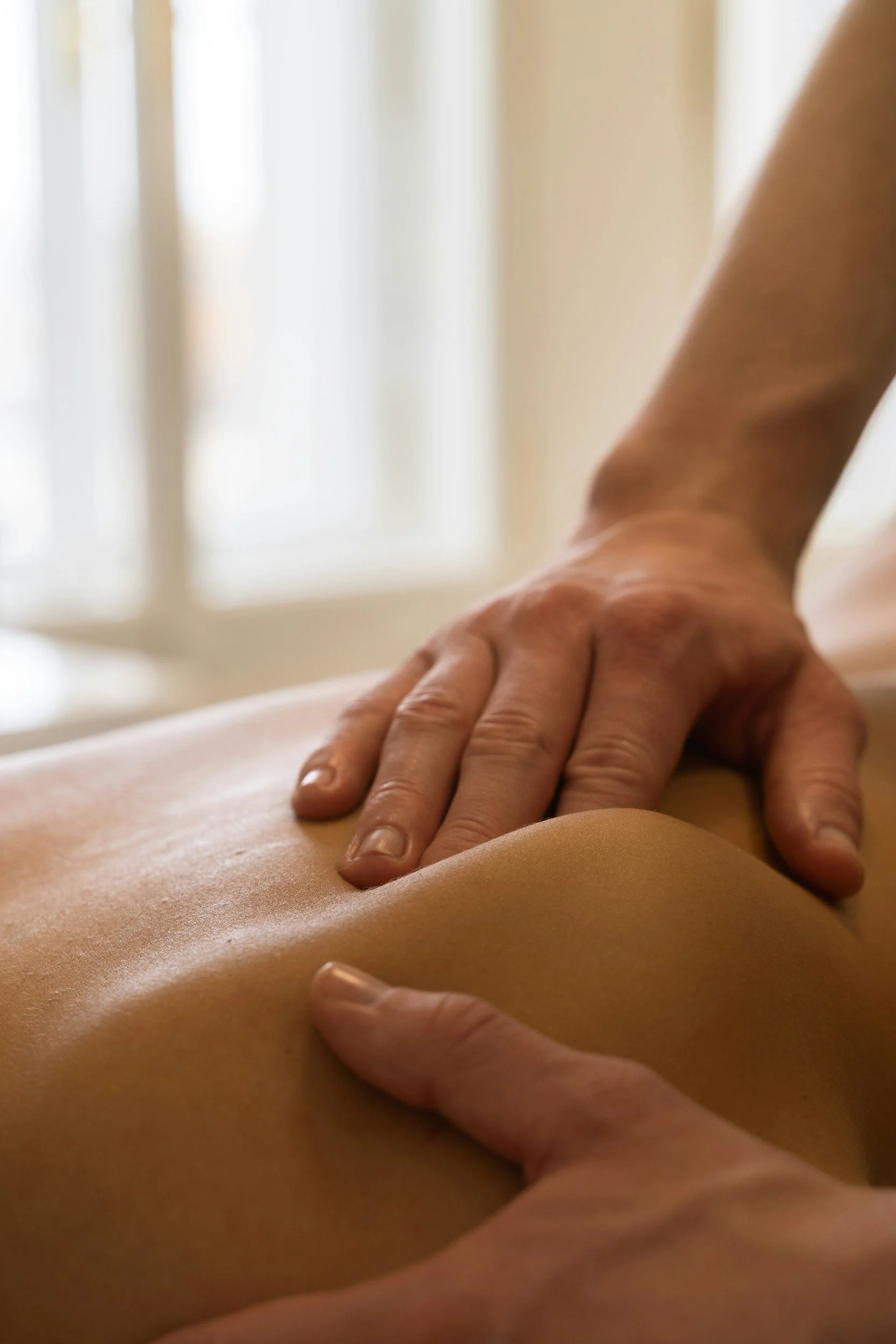
Additional services like remedial massage, myotherapy, compression therapy, or guided breathwork further support muscle recovery, mobility, stress reduction and overall well-being.
Why This Trend Resonates For More Than Just Athletes
Traditionally, cold plunges, saunas and similar therapies were mostly associated with athletes, competitive training, or “serious wellness buffs.” But today’s recovery centres are increasingly catering to everyday people.
Recovery for everyday life, not just sports. You don’t have to be a gym-rat to benefit from these therapies. People with desk jobs, high stress, poor sleep or sedentary lifestyles also gain from improved circulation, stress reduction, muscle tension relief, and better sleep.
Holistic health & mental wellness. Recovery centres offer more than just physical benefits. The combination of heat/cold therapy, calm environments, breathwork or floatation, and often a community-oriented vibe can help with stress, anxiety, and mental fatigue. Wellness experts say this kind of “social wellness” swapping solitary self-care for shared, curated experiences is a growing trend.
Preventative care and long-term wellbeing. Rather than waiting until you’re injured or burnt out, regular recovery sessions can help maintain your body and mind, reducing inflammation, supporting circulation and cardiovascular health, improving immune function, and supporting better sleep and recovery.
What You Should Look For (or Think About) When Choosing a Centre
If you’re thinking of giving recovery centres a go, here are some things to keep in mind:
Variety of therapies available. Good recovery centres often combine multiple modalities (sauna, cold plunge, compression, massage, breathwork). This “stacked” approach seems more effective than relying on a single therapy.
Personalisation & guidance. Recovery is not one-size-fits-all. Everyone’s body, fitness level and lifestyle differ, so look for centres that offer tailored or supervised sessions (rather than walk-in “try anything” spas).
Balance and not overdoing it. As with any therapy, too much may be counterproductive. For example, extremes of heat/cold might not suit everyone. Recovery centres that emphasise sensible scheduling, rest and listening to your body are preferable.
Clean, hygienic, professional environment. Because many therapies involve water immersion (ice baths, saunas, float tanks) or close contact (massage), hygiene and hygiene protocols are important.
Affordability and accessibility. While some luxury recovery clubs can be expensive, there’s a growing number of mid-cost facilities offering memberships/packages, making recovery more accessible to everyday people.
Thoughts & Why This Matters for Melbourne
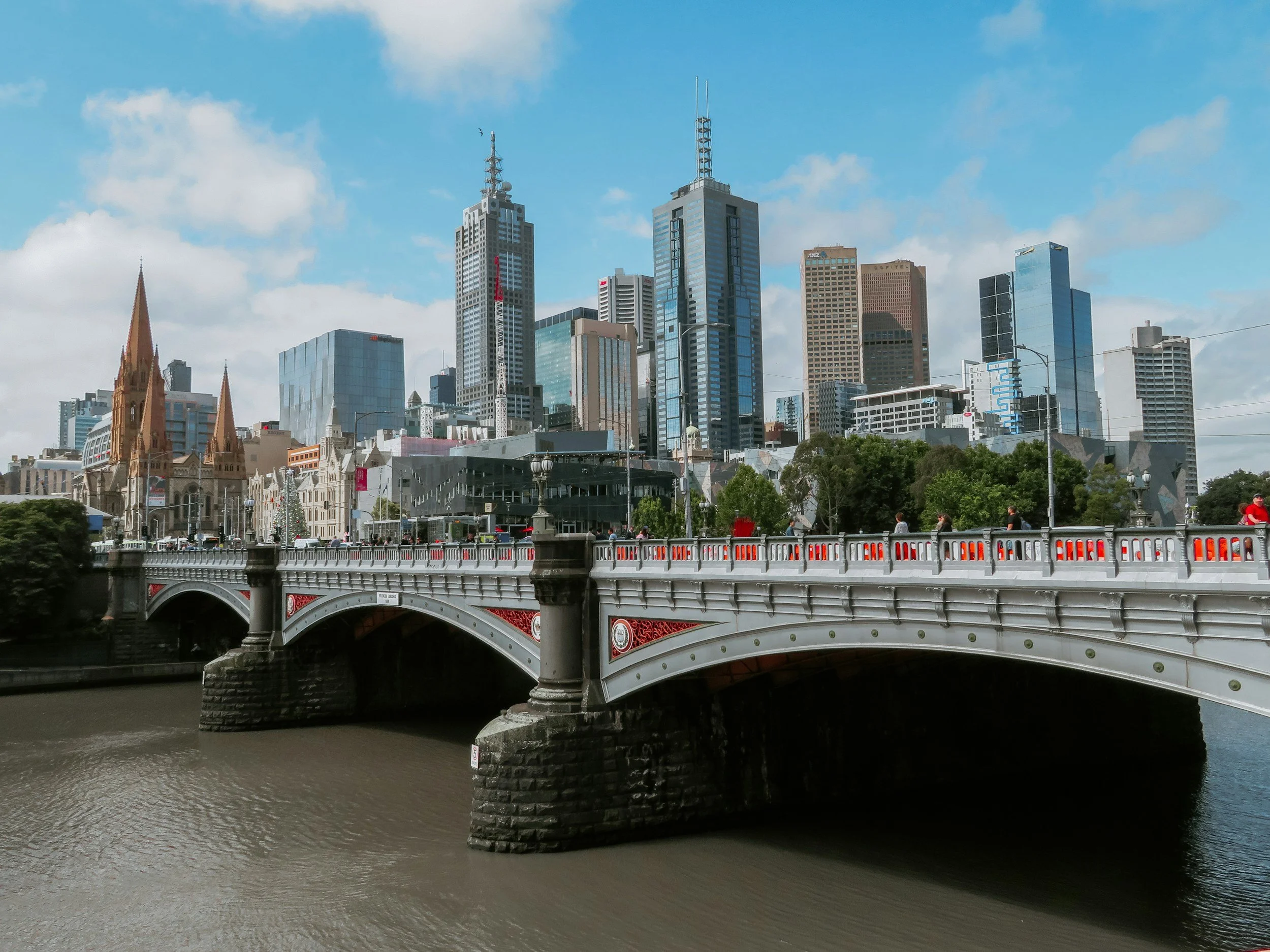
Melbourne is no stranger to health, fitness and wellness culture. With more people seeking balanced wellbeing, not just ripped abs or maximum lifts, recovery centres are a natural next step in our city’s health evolution.
They offer a grounded, realistic way to care for your body and mind: you don’t need to chase constant high-intensity training; instead, you can support your body’s natural recovery, promote longevity, and build resilience against stress.
If you ask me, this isn’t just a fitness fad. It feels like a shift in how we view self-care: from sporadic indulgence to regular maintenance. In a fast, demanding world, that matters.
Top 5 Recovery centres in Melbourne
My Recovery Lounge
What they offer:
Infrared sauna and traditional sauna
Ice baths / cold plunges (with different temperatures depending on experience level)
Compression boots for circulation and recovery support
Myotherapy, remedial massage, and general massage therapy to relieve muscle tightness and support mobility
Why it’s great: It combines heat, cold, compression, and hands-on therapy, offering a full recovery package for people after workouts, long days, or training sessions.
P3 Recovery
What they offer:
Ice baths / cold plunges and contrast therapy (hot ↔ cold)
Infrared sauna and traditional sauna options
Compression therapy to aid circulation and recovery
(At some locations) hyperbaric oxygen therapy, IV therapy, and “performance-recovery” services for more intensive recovery needs
Why it’s great: P3 offers a broad “recovery toolkit,” potentially useful not just for post-exercise recovery but for deeper wellness, rehabilitation or performance-oriented clients.
Recovery Lab Windsor
What they offer:
Private sauna suites (infrared) for a more private and relaxed recovery experience.
Ice bath / cold water therapy (wet-area), baths are available at controlled 8–10 °C for recovery sessions.
Compression technology (boots) to improve circulation and reduce muscle soreness.
“Contrast therapy suite” combining heat, cold, and other recovery modalities for a fuller experience.
Why it’s great: With private rooms, flexible sessions and multiple modalities, this centre works well for people seeking a more discreet or tailored recovery session, ideal for hectic schedules or after a long work day.
Nomadic Recovery
What they offer:
Traditional Finnish-style sauna for relaxation and heat therapy.
Recovery ice baths (cold water immersion) to help with muscle recovery and inflammation reduction.
Guided breathwork sessions (before, during or after cold immersion), adding a mind-body recovery element.
Warm-up / warm-down area with massage guns, foam rollers and resistance bands for pre/post recovery mobility routines.
Why it’s great: The addition of breathwork and mobility tools makes this centre particularly good for people who want a holistic recovery, not just physical, but also mental and mobility-focused.
Recovery Lab Maribyrnong
What they offer:
Infrared sauna for deep heat therapy and relaxation.
Hot/cold water therapy, including ice baths, for recovery and circulatory benefits.
Compression boot therapy to support circulation, reduce muscle fatigue and promote maintenance.
Massage / remedial massage as well as hot-tub / spa-style therapy for flexibility, muscle care and overall wellness support.
Why it’s great: With multiple recovery and wellness modalities, this centre is ideal for those who want flexibility, whether they’re after a quick 20-30 min reset or a longer recovery session combining heat, cold, compression and massage.
The Ultimate Recovery Stack: How Sauna, Cold Baths & Precision Sports Massage Supercharge Your Body
It all begins with an idea.
In a world where training loads are higher, work stress is constant, and recovery is often neglected, combining sauna, cold baths, and professional massage is one of the most effective ways to support your body, physically, mentally and metabolically.
If you’ve ever come out of a sauna feeling loose and clear-headed, or stepped out of a cold plunge feeling electrified and re-energised, imagine pairing those benefits with the targeted muscle treatment you receive at Precision Sports Massage.
This trio is more than a luxury, it’s a recovery system.
Why Sauna + Cold Bath = A Powerful Contrast Therapy Duo
Contrast therapy (alternating hot and cold) has become a staple for athletes, lifters, runners and anyone who wants faster, smarter recovery. Here’s why:
1. Increased Circulation & Faster Muscle Repair
Sauna heat dilates your blood vessels, increasing circulation and improving nutrient delivery to your muscles. Cold plunging then rapidly constricts those vessels, flushing out waste products like lactic acid. The result? A natural pump mechanism that speeds recovery.
2. Reduced Inflammation & Soreness
Cold immersion is known for its ability to reduce swelling and calm inflammation, especially useful after intense sport, heavy lifting or deep massage work.
3. Better Mobility, Flexibility & Relaxation
Heat softens tight muscles and connective tissue, while cold helps stabilise them afterward. Over time, this combination improves flexibility, mobility and general ease of movement.
4. Mental Reset & Stress Relief
Saunas encourage deep relaxation; cold plunges release endorphins and heighten focus. Together, they create a powerful mental reset that helps you unwind as hard as you train.
Where Precision Sports Massage Fits In
This is where the magic happens.
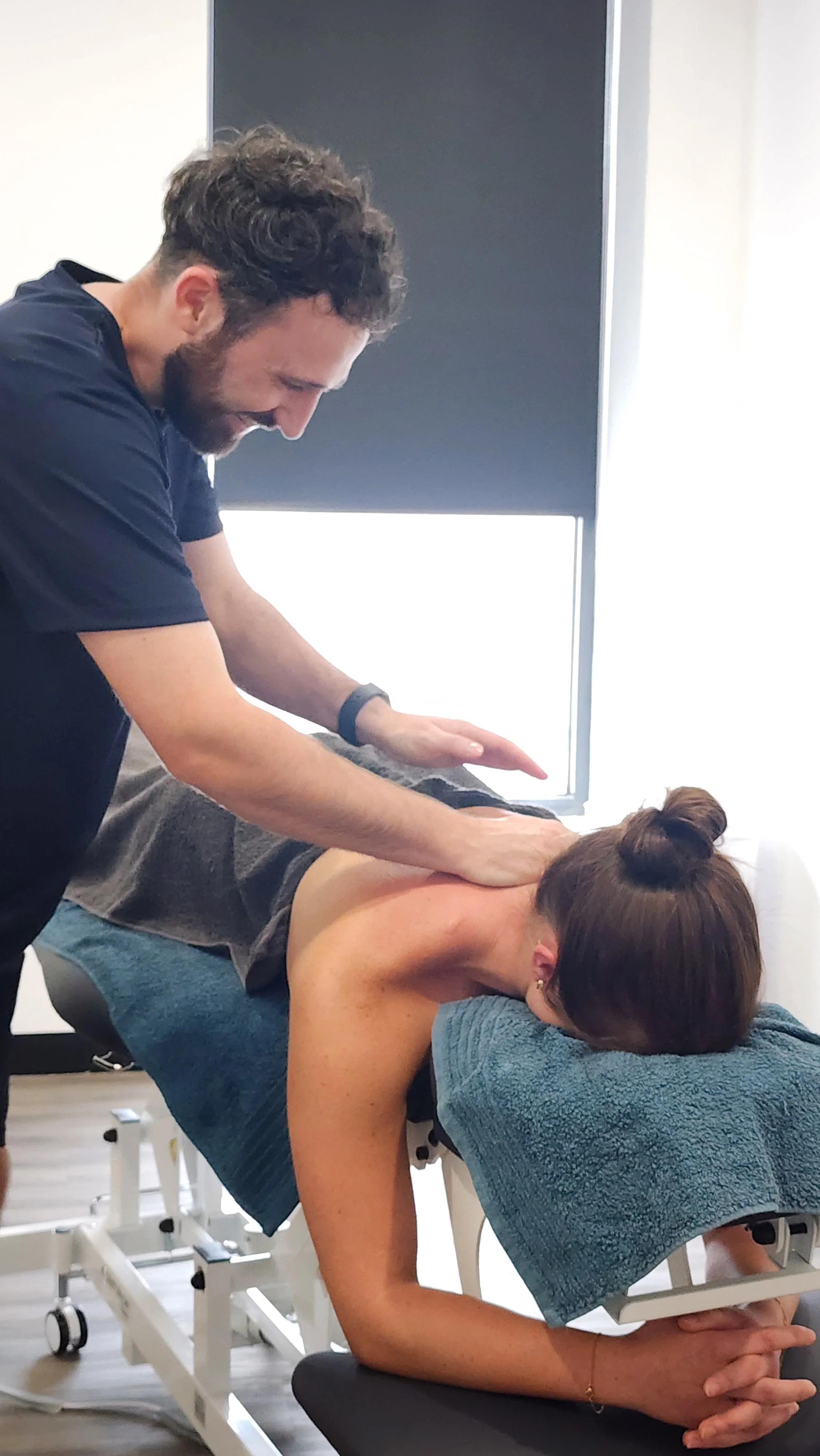
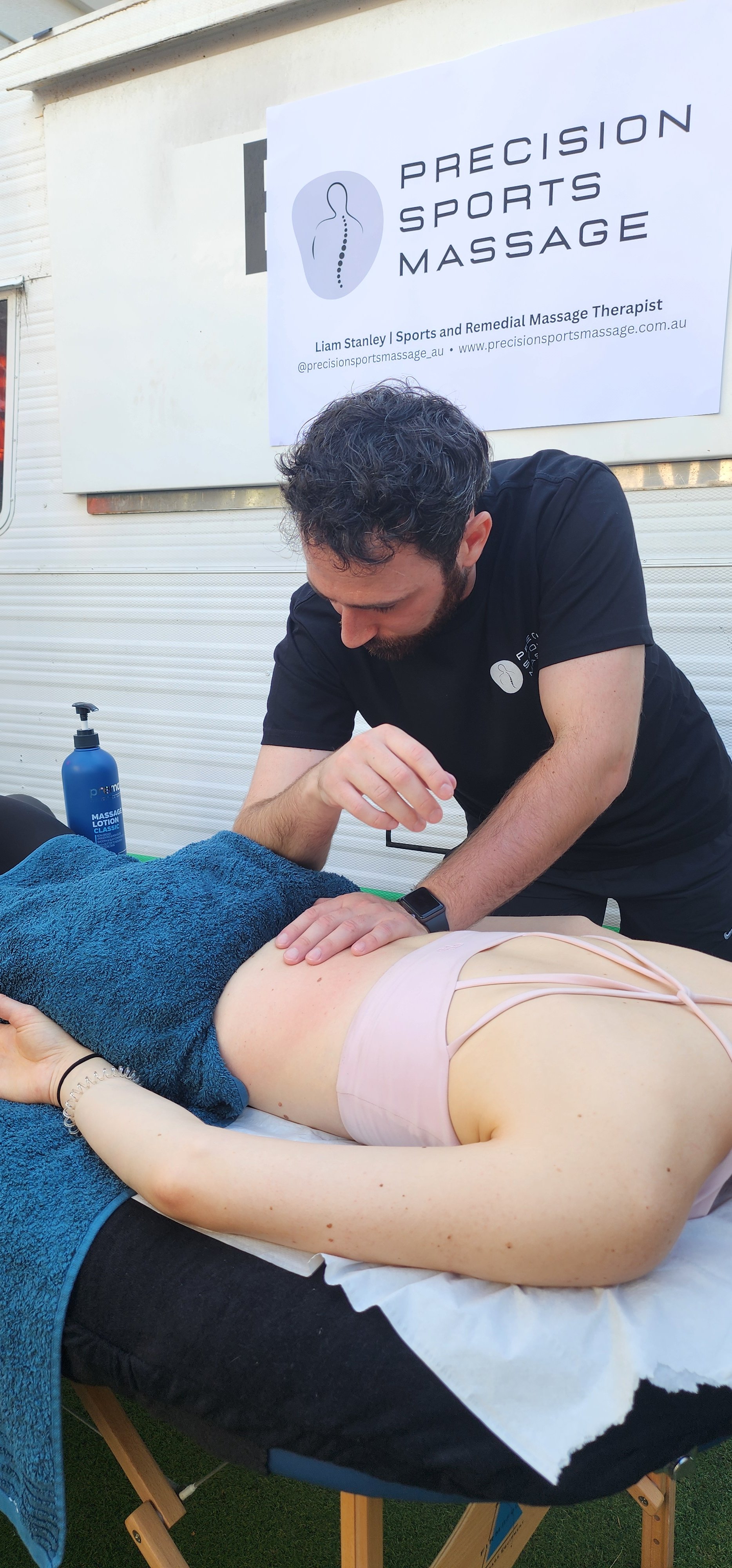
Precision Sports Massage brings targeted, professional muscle treatment that complements the systemic effects of sauna and cold exposure.
How the Three Work Together
✔ Sauna Before Your Massage
Warming up in the sauna before your session at Precision Sports Massage helps to:
soften muscle tissue
increase tissue elasticity
reduce guarding and tension
allow deeper, more effective remedial or sports massage work
Your body arrives primed and ready.
✔ Precision Sports Massage as the Core Treatment
During your session, your therapist focuses on:
releasing muscle tension and adhesions
improving range of motion
restoring balance in overworked muscles
supporting injury prevention or rehab
speeding up recovery between training sessions
This is the targeted part of your recovery stack, the hands-on intervention that gets into the areas heat and cold can’t reach by themselves.
✔ Cold Plunge After Massage
Post-massage cold immersion helps to:
reduce swelling or inflammation
minimise post-massage soreness
stabilise tissues after deep work
promote parasympathetic (recovery) nervous system activity
It “locks in” the benefits of your massage while calming the body back down.
The Combined Benefits of Sauna + Cold Bath + Precision Sports Massage
Faster post-training recovery
Reduced muscle soreness
Improved flexibility and mobility
Relief from chronic tension or tightness
Better sleep quality
Improved energy levels
Enhanced mental clarity and resilience
Stronger overall wellbeing and performance
Whether you’re pushing hard in the gym, running races, or simply dealing with a busy desk-bound lifestyle, this combination provides both deep tissue recovery and whole-body reset.
How to Build a Weekly Recovery Routine With Precision Sports Massage
Here’s a simple example schedule:
Training 3–4 Days a Week
Monday – Gym/Training
Evening: Sauna + cold plunge
Wednesday – Training
Afternoon/Evening: Precision Sports Massage
Immediately after: Cold plunge or cool shower
Saturday – Training
Post-session: Sauna
Evening: Relaxation cold plunge
Sunday – Rest day
Optional soak session at a bathhouse
Want a customised plan? I can create a 30-day recovery and performance protocol tailored to:
How often you train
Your sport
Your soreness patterns
Your massage frequency
Whether you prefer sauna or cold first